
Out With the Wheeze: Dramatic Bathroom Exhaust Fan Replacements
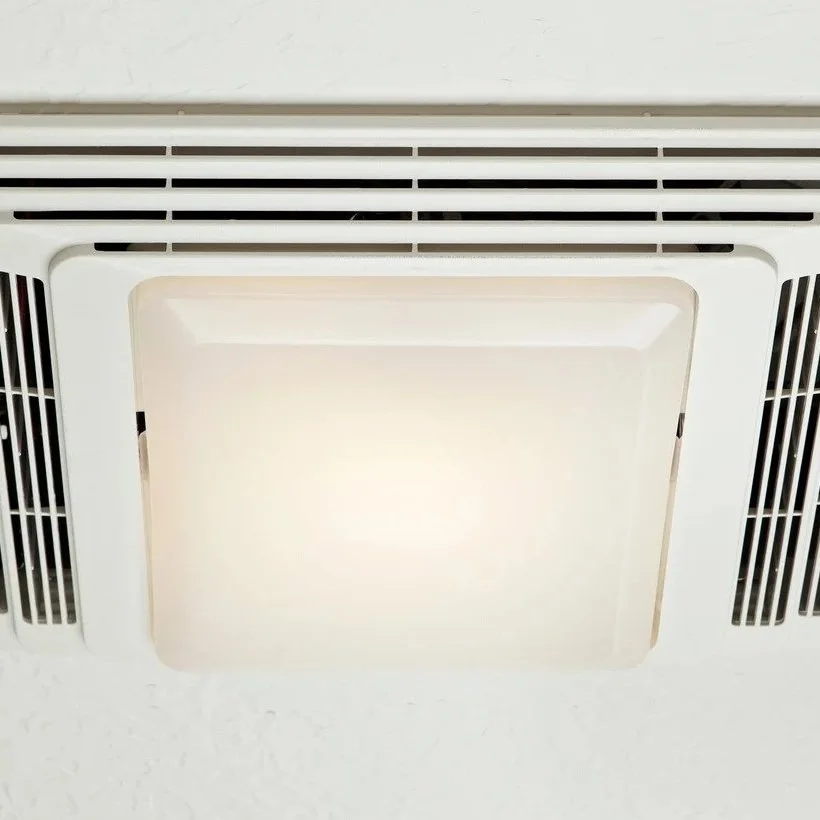
Bathroom exhaust fan replacement turns noisy, ineffective ventilation into silent efficiency.
Bathroom fans from the early 2000s have a certain charm. They wheeze like a tired squirrel, vibrate like they’re powering a small spacecraft, and somehow still leave the mirror fogged up like a steam room. If your bathroom exhaust fan sounds more dramatic than a reality show finale, it’s probably time for a replacement.
Bathroom exhaust fan replacement turns noisy, ineffective ventilation into silent efficiency. It’s not just about comfort—it’s about protecting your bathroom from mold, peeling paint, and funky smells that linger way too long.
Recognizing the Signs of a Fan Ready to Retire
The writing’s usually on the ceiling. Maybe the fan doesn’t clear steam anymore. Maybe it rattles like it’s trying to shake itself loose. Or maybe it runs for twenty minutes and still leaves behind the unmistakable scent of wet towels and regret.
A fan that hums but does nothing is just a fancy ceiling decoration. Replacement becomes the logical next step when performance drops, but the noise level stays enthusiastically high. Professionals inspect airflow, sound levels, and electrical conditions before deciding if repair is even worth discussing.
Spoiler: In most cases, it’s not.
Moving Past the Builder-Grade Blues
A lot of homes were built with fans that could barely handle a polite sneeze, let alone a family’s daily shower schedule. These builder-grade fans lasted about five years. After that, they turn into humid dust collectors masquerading as ventilation.
Professional bathroom exhaust fan replacement involves upgrading from a “standard” to something that actually moves air. New fans are quieter, more powerful, and often energy-efficient—with better airflow ratings and smarter controls that don’t rely on guesswork or good intentions.
No more towel-drying the walls after every shower. No more fog rolling across the vanity like a B-movie effect.
Sizing Up the Problem (And the Replacement)
Not every fan fits every bathroom. A small powder room doesn’t need the same airflow as a spa-sized bath with dual showers and a jetted tub. Fan size is measured in CFM (cubic feet per minute), and getting that number right is the difference between clear mirrors and moldy corners.
Professionals calculate the room’s dimensions, account for ceiling height and moisture levels, and recommend a replacement fan with the right CFM for the space. Too small, and the fan just makes noise without results. Too large, and it starts pulling air from places it shouldn’t—like your fireplace or hallway.
Right-sized fans deliver quiet, steady performance without creating air pressure weirdness in the rest of the house.
Escaping the Wheeze Without Breaking the Ceiling
Bathroom exhaust fan replacement sounds straightforward—until someone realizes the old fan is nailed to a rafter, surrounded by insulation, and ducted to nowhere. Swapping fans isn’t always plug-and-play. Sometimes the housing is an oddball size. Sometimes the venting isn’t actually connected to anything.
Professionals handle the surprises without turning the ceiling into Swiss cheese. They carefully remove the old fan, make any necessary adjustments to the opening, and install the new unit with proper support. That means no sagging housings, cracked drywall, or mystery air leaks.
Everything fits. Everything works. And nothing sounds like it’s gasping for air.
Ductwork That Actually Goes Somewhere
One of the more horrifying discoveries during fan replacement is finding a duct that leads nowhere—or worse, into the attic. Venting steam into the attic is like an open invitation to mold and insulation decay.
Professionals reroute ducts to vent outdoors, sealing connections with insulated ducting that keeps warm air from condensing inside. They’ll install exterior vent caps, test airflow, and make sure your bath fan isn’t just recirculating problems above your ceiling.
A fan that vents correctly does more than clear the air—it protects the structure of your home from moisture-driven damage.
Smart Features That Make Fans Feel Fancy
Today’s fans do more than just blow air. Some include motion sensors, humidity detectors, timers, or nightlights that glow like runway lights for sleepy midnight bathroom visits. Others integrate with smart home systems or use whisper-quiet motors that make you forget they’re even running.
Bathroom exhaust fan replacement opens the door to those upgrades. Professionals install fans with the features that suit your lifestyle—whether that means automatic shutoff, continuous low-speed ventilation, or a discreet Bluetooth speaker tucked behind the grille.
The technology is subtle. The difference it makes is not.
Quieter Than a Whisper, Stronger Than a Sigh
One of the biggest perks of a professional fan replacement is the peace that follows. Modern fans are designed for low decibel ratings, with motor mounts and housings that reduce vibration and hum.
Fans that used to sound like a lawnmower now hum softly in the background—or go completely unnoticed. Professionals install rubber grommets, insulated brackets, and vibration-dampening features that cut sound at the source.
The only thing left behind is airflow. And maybe a faint feeling of why you didn’t replace that noisy fan sooner.
No More Flickering Lights or Funky Switches
Old fans often share a switch with the bathroom light—or have wiring so tangled that flipping the switch feels like playing roulette. Some fans dim the lights when they kick on. Others blink like a strobe party gone wrong.
During bathroom exhaust fan replacement, professionals evaluate wiring, reconfigure circuits, and install dedicated switches where needed. They can separate the fan and light functions, add timers, or even install wall panels with variable speed control.
No flickering. No surprises. Just simple, clean switching that works as it should.
Ceiling Patch-Ups Included
Not all replacements are a perfect fit. Sometimes the new fan housing is smaller than the old one, leaving gaps or uneven drywall edges. Rather than slapping up a trim ring and calling it a day, professionals repair and repaint the ceiling for a seamless look.
They patch gaps, feather texture, and paint to match the surrounding surface—no mismatched rings or cracked plaster to distract from the upgrade. The ceiling ends up cleaner and smoother than it started, with a new fan that blends in rather than drawing attention to its installation.
Improved Air Quality Without Extra Effort
A properly functioning fan removes more than steam. It also clears out odors, chemicals, and airborne moisture that can aggravate allergies or respiratory conditions. Replacing a weak or broken fan improves indoor air quality almost instantly.
Professional replacement helps maintain balanced airflow in the home, reducing humidity buildup, VOCs from cleaners, and general stuffiness. That small ceiling unit suddenly becomes the unsung hero of household comfort.
Fresh air matters—even in the smallest room in the house.
The Long-Term Payoff of a Quiet Upgrade
Bathroom exhaust fan replacement isn’t flashy, but it pays off over time. Less moisture means fewer repairs. Better ventilation means healthier air. Quieter fans mean no more bracing yourself every time you flip the switch
With a professionally installed fan, the bathroom stays drier, the mirror stays clearer, and the ceiling stays intact. And no one has to listen to a dying motor beg for retirement every morning.
All that, wrapped up in one smart, silent upgrade that knows how to keep its cool.
Apollo Electric boasts a team of licensed, professional, and reliable electricians offering residential services, commercial electrical services, whole home and remodel wiring, and electrical panel installation and upgrades in the Phoenix area. As a second-generation electrician, we bring years of experience and expertise to every job. Call today for more information.