
The Knob & Tube Time Capsule: Removing Electrical Relics from Your Home
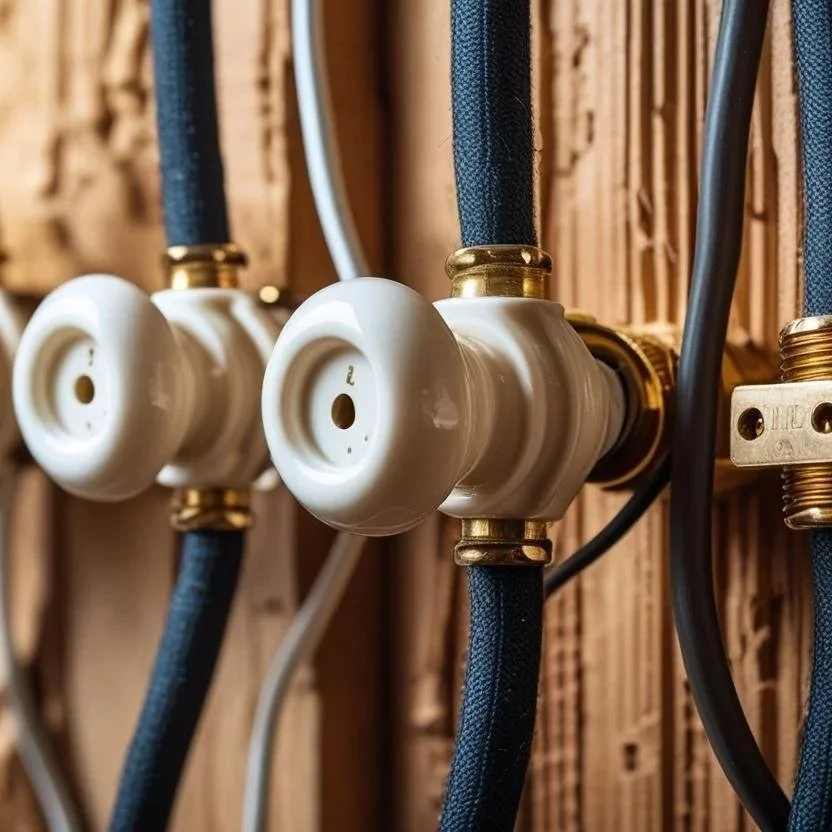
Time to retire the ceramic knobs and fragile tubes and make room for wires that understand what a modern home really needs.
There's antique, and then there's electrically prehistoric. Knob and tube wiring belong in the latter category. Introduced in the early 1900s and used widely until the 1940s, it's a charming concept best left in textbooks and museums, and not behind drywall. The ceramic knobs, air-spaced wires, and lack of grounding make it more of a hazard than a heritage feature. Removing knob and tube wiring is less about chasing modern fads and more about making homes safe, functional, and insurable.
A Peek Into the Past (That Doesn't Age Well)
At the time, knob and tube wiring was revolutionary. It gave households access to electricity before anyone had ever heard of microwaves, streaming devices, or air fryers. Homes with only a few lights and outlets had no problem operating with this early method. Fast forward a century, and that quaint system buckles under today's demands.
Each knob and tube wire ran independently, with no conduit and no grounding. The conductors stretched through open air, sometimes buried under insulation added decades later. That's where the danger creeps in. Heat builds. Wires crack. Fire hazards bloom in silence. When electrical demand stays low, knob and tube might limp along. But when devices draw more power or homeowners start using extension cords as permanent solutions, the system pushes past its fragile limits.
Why Insurance Companies Flinch
Insurance carriers don't often look kindly on homes with knob and tube wiring. Some refuse to write policies until they're removed. Others raise premiums so high that the rates feel like punishment. In the eyes of underwriters, this type of wiring screams risk.
The absence of a grounding wire worries them. So do the splices made without junction boxes. Even the insulation, usually made of rubber or cloth, becomes brittle with age. Once wires touch insulation or settle inside walls filled with cellulose, every flick of the switch could end in a spark show. Insurers want modern systems with predictable behavior. Knob and tube wiring feels like a roulette wheel with every circuit.
Clues Hiding in Plain Sight
Most homeowners don't dig through their walls to check wiring type. But a few subtle signs hint at knob and tube's lingering presence. Porcelain knobs mounted on exposed joists. Two-prong outlets without grounding holes. Outlets that don't accept modern plugs or spark when devices are unplugged. Or perhaps the grand finale—an electrician who opens a panel, chuckles nervously, and mutters, "Well, that explains a lot."
Professional electricians recognize these clues during inspections. They check attic runs, basement ceilings, and old service panels for telltale signs. If knob and tube wiring is active—or worse, partially deactivated and still tangled into the home's current circuits—it moves to the top of the priority list.
Why Removal Beats Repair
Some might wonder, can knob and tube wiring simply be repaired? Technically, yes. But repairing it is like taping over a cracked foundation; It doesn't solve the systemic risk. Modern homes require grounded outlets, protected circuits, and insulation-friendly wiring to support appliances, devices, and climate control. Knob and tube offers none of that.
Professionals remove it circuit by circuit, mapping the original runs, cutting off power safely, and installing updated wiring that meets current codes. The job involves careful navigation through walls, attics, crawlspaces, and sometimes behind ornate plaster that's been untouched for generations.
Safe Upgrades With Minimal Disruption
The idea of rewiring sends shivers down spines, especially when the home's aesthetic is high on the preservation list. But experienced professionals know how to work around original architecture. They fish wires behind baseboards, through closets, and in attic spaces to reduce the need for cutting open walls. In homes with crown molding, lath and plaster, or historic trim, strategic access points make all the difference.
Electrical boxes are upgraded in place or rerouted to new locations for convenience. Old wires are removed or safely terminated, and new lines run on dedicated circuits that can support real-world living—coffee makers, televisions, smart thermostats, and more.
Modern Safety With Classic Charm
Removing knob and tube wiring doesn't mean erasing a home's character. It means giving the structure a foundation to support modern comforts without compromise. Historic homes deserve better than flickering lights and humming outlets. They deserve wiring that disappears into the walls and quietly does its job without starting trouble.
Professionals bring both technical expertise and sensitivity to architectural detail. They match new fixtures to vintage aesthetics, use period-appropriate plates when needed, and reroute wiring in ways that preserve plaster, woodwork, and decorative elements
Electrical Surprises That Often Come With the Package
Knob and tube systems rarely come alone. They usually arrive with a parade of outdated panels, mixed wire gauges, creative splicing, and maybe even an illegal tap or two hiding behind drywall. That's why professionals treat removal as more than a rip-and-replace mission. It's a chance to uncover the full story of the electrical system and rewrite it correctly.
Sometimes, the panel needs an upgrade. Other times, circuits have been added by well-meaning DIYers who didn't follow code. During removal, electricians label everything, test for continuity, confirm amperage ratings, and reorganize the system into something clear, stable, and future-ready.
Big Energy Loads Deserve Better Wires
Try plugging a high-end espresso machine into a two-prong outlet that's backed by 100-year-old wiring. The result isn't just disappointing—it's dangerous. Modern homes draw more power than ever. HVAC systems, kitchen appliances, entertainment setups, and electric vehicles demand circuits that deliver safely and consistently.
Knob and tube wiring falls short of these expectations. Even when the lights stay on, voltage drops and power fluctuations creep in. Removing outdated wiring creates an electrical infrastructure ready to support both the current load and whatever gadgets the future holds.
Time Capsule Finds During Removal
Electricians have found everything from vintage newspapers and bootleg liquor labels to forgotten heirlooms behind knob and tube installations. Sometimes the wiring itself feels like a time capsule—still strung along original joists, never touched, quietly powering a living room lamp since 1932.
There's charm in discovering history, but professionals know how to separate nostalgia from necessity. They respect the age of a home while methodically removing what no longer belongs. Once the new wiring is installed, it works like magic, eliminating the drama of short circuits and blown fuses.
Costs That Make Sense
Full rewiring sounds expensive. And it can be. However, partial knob and tube removal, focusing on active circuits or high-use areas, often brings the cost down. Professionals consult with homeowners to prioritize urgent upgrades while creating a roadmap for future improvements.
Strategic planning makes removal less invasive and more affordable. Circuits in use every day, such as kitchens, bedrooms, home offices, usually come first. Decorative or infrequently used lighting may wait until a larger remodel happens. What matters is creating a safe, modern baseline now.
Permits, Codes, and the Good Kind of Paper Trail
Electricians don't just dive in with wire cutters. They secure permits, document upgrades, and work within the latest code requirements. That paper trail becomes gold during future home sales, refinances, or insurance updates.
Code compliance isn't just bureaucracy, but proof the home has been cared for. Knob and tube removal earns peace of mind, cleaner inspections, and a solid reputation in the eyes of future buyers or appraisers.
From Relic to Reliable
When professionals remove knob and tube wiring, they don't just modernize a home; They future-proof it. What once stood as a clever relic now fades into memory, replaced by circuits that hum silently and outlets that do their job without sparks or drama.
Knob and tube wiring had its moment. It helped electrify the early 20th century. But the 21st century runs on a different kind of power—safe, grounded, dependable, and ready for anything. Time to retire the ceramic knobs and fragile tubes and make room for wires that understand what a modern home really needs.
Enjoy safe and exceptional residential services and commercial electrical services in the Phoenix area with Apollo Electric. Our licensed electricians offer services like electrical panel installation and upgrades and whole home and remodel wiring with dedication and expertise, ensuring code compliance. Request a free estimate today.