
Inspector Gadget: The Secret Life of Electrical Safety Checks
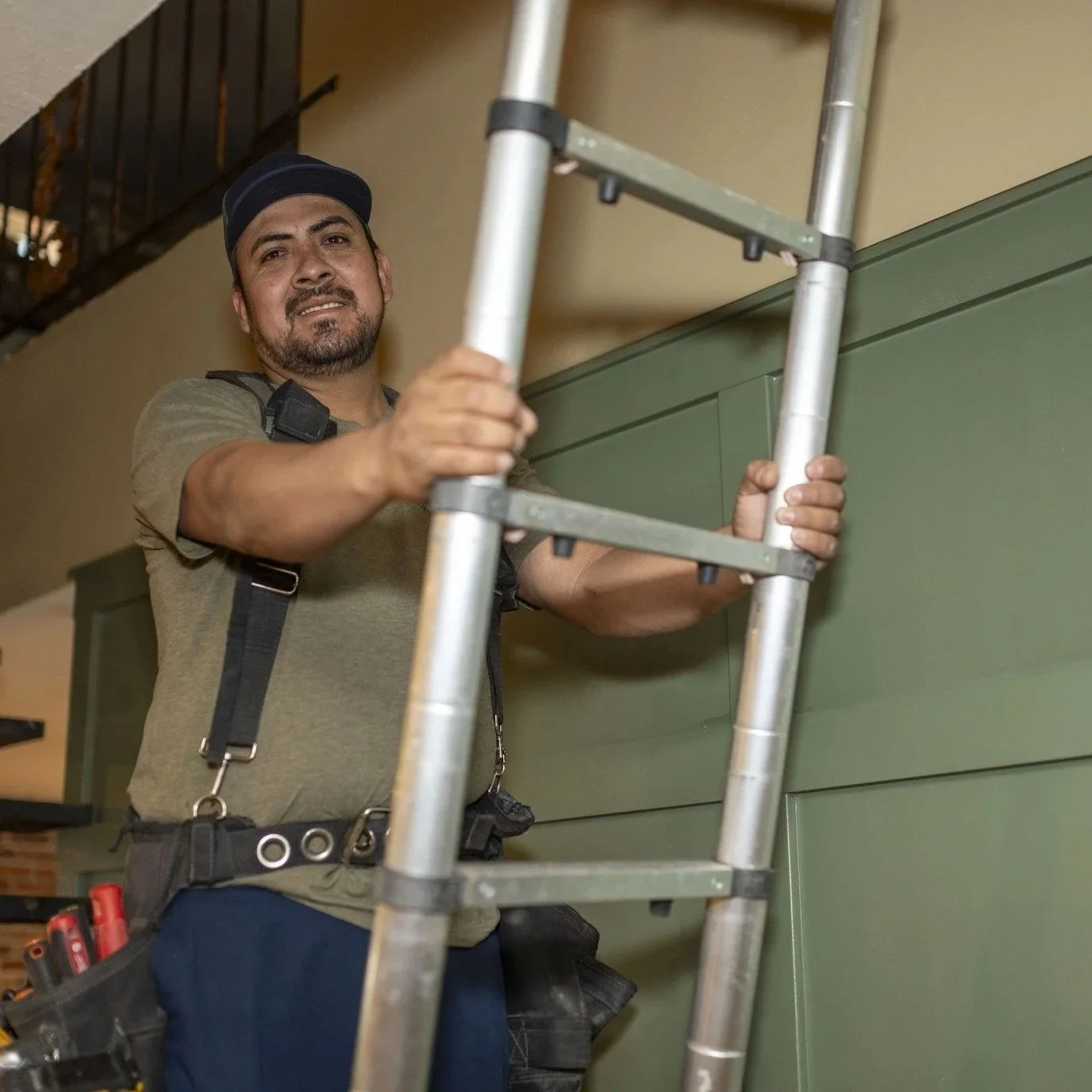
A licensed professional knows precisely where to look and what to question—because sometimes that warm light dimmer isn't a cozy ambiance; it's a code violation.
Flip a switch, and the lights turn on. Plug in the toaster and out comes breakfast. Everything looks fine. But behind those walls, wires could be cracking, arcing, or trying to throw a literal spark party. Electrical systems rarely shout when they're in trouble. They whisper, quietly warming outlets, flickering bulbs, or tripping breakers like passive-aggressive little clues.
Electrical safety inspections aren't just for show. They're the all-access backstage pass to your home's hidden wiring world. A licensed professional knows precisely where to look and what to question—because sometimes that warm light dimmer isn't a cozy ambiance; it's a code violation.
Not All Hazards Come With Smoke Signals
Many electrical problems are silent. You won't always see scorch marks, smell burning plastic, or hear a loud pop. A compromised wire can heat up slowly over time. An outdated panel might allow overloads without so much as a flicker. And extension cords used as permanent wiring? That's not creative. That's risky.
Professional electrical safety inspections shine a light into the shadows. They catch loose connections, damaged outlets, undersized wiring, and overloaded circuits before trouble sparks. It's about prevention, not reaction—and frankly, a working smoke detector should never be the first one to notice a problem.
Time Travel Isn't Just For Sci-Fi
Older homes weren't designed with today's electrical needs in mind. That charming 1960s ranch wasn't built for espresso machines, gaming consoles, phone chargers, and four streaming devices running simultaneously. Homes evolve. Electrical systems should too.
A comprehensive electrical safety inspection assesses whether your panel, breakers, wiring, and outlets meet modern demands. Knob-and-tube wiring, aluminum conductors, or an undersized main panel could all be quietly struggling behind the scenes. Inspections provide the clarity needed to plan upgrades, not emergency repairs.
Breaker Panels Have Feelings Too
Okay, maybe not feelings—but they do age, corrode, and suffer wear. A breaker that looks fine from the outside might have pitting on the contacts or loose lugs ready to arc. One overloaded circuit could be hiding a web of spliced wires held together by good intentions and old tape.
Electrical safety inspections include panel assessments and checks for overheating, rust, improper labeling, and signs of moisture or pests. A clean, well-labeled panel doesn't just function better—it helps electricians work faster during repairs and emergencies.
GFCIs Aren't Optional, They're Guardians
Ground Fault Circuit Interrupters (GFCIs) are like the bodyguards of your electrical system. When they sense even a tiny imbalance in current—like electricity trying to find a shortcut through a human body—they cut power instantly. Bathrooms, kitchens, garages, laundry rooms, outdoor outlets, and any area where water meets electricity should have these guardians in place.
Electrical inspections confirm proper GFCI placement and operation. Sometimes outlets look like they're GFCI-protected but aren't. Sometimes they're wired backward. And sometimes they're missing entirely, smiling at you like a hazard in disguise.
Smoke Detectors Are Not Just Ceiling Decor
During an inspection, electricians check not just for the presence of smoke and carbon monoxide detectors, but also their placement, age, and connection. A detector that chirps every 30 seconds isn't protecting anyone—it's crying for help.
Professionals know when interconnected detectors are required, how far they should be from kitchens or bathrooms, and whether yours are past their expiration dates. And yes, detectors expire. It's not a marketing trick—it's a safety reality.
Aluminum Wiring Needs A Watchful Eye
Some homes built in the 1960s and 70s were wired with aluminum instead of copper. It was cheaper, lighter—and, unfortunately, more prone to expansion, corrosion, and loose connections. That combo poses serious fire hazards if not properly maintained.
Electrical inspections determine whether aluminum wiring is present and whether it has been retrofitted adequately with special connectors and materials. Professionals know the signs of failure, from overheating outlets to discoloration and insulation breakdown.
DIY Electrical Work Leaves Fingerprints
It's amazing what can hide under outlet covers—duct tape, wire nuts from the wrong decade, triple-spliced conductors, or just plain old guesswork. If previous homeowners fancied themselves amateur electricians, an inspection will often uncover their legacy of improvisation.
An electrical safety inspection doesn't just look at whether things work. It looks at how safely they're wired, whether they meet current code, and whether anything appears held together by hope and a prayer. Identifying these DIY ghosts lets professionals make safe corrections before the next owner inherits a ticking time bomb.
Light Fixtures Can Be Suspiciously Pretty
That pendant lamp over the kitchen island? Looks great. But is it connected to a properly rated box? Is the wiring rated for the bulb wattage? Are the wires pigtailed correctly? Has the ceiling box been replaced since disco was in style?
Inspections examine the mounting hardware, wiring methods, and circuit capacity that underpin the design. Electrical beauty is more than skin deep—because nobody wants their rustic Edison fixture turning into an indoor fireworks show.
Code Isn't Just Red Tape—It's A Lifeline
Electrical codes evolve for a reason. As new appliances, devices, and safety research emerge, so do better ways to protect your home. Many homes are still wired according to decades-old rules that no longer meet today's safety standards.
Electrical inspections compare your system to current National Electrical Code (NEC) requirements. That doesn't mean tearing everything out—it means identifying where upgrades can protect your family, improve performance, and bring you into the modern age without waiting for something to go wrong first.
Outdoor Outlets Are Not Invincible
Rain, sun, insects, and lawn tools do a number on outdoor electrical components. Covers break, seals wear out, and GFCI outlets corrode in high-humidity areas. Even low-voltage landscape lighting can pose a shock hazard when wires are exposed or splices are poor.
An inspection includes all outdoor outlets, lighting, junction boxes, and disconnects. Professionals look for weatherproofing, grounding, and proper circuit protection because backyard barbecues shouldn't end with a flash of light that's not from the grill.
Electrical Systems Should Age Gracefully—Not Mysteriously
Not all aging is obvious. A flickering light might not seem like a big deal—until it becomes part of a larger pattern. Repeated breaker trips might appear random—until the real issue is revealed. Odd humming sounds, warm outlets, or "phantom" appliance behavior often hint at deeper problems.
Inspections take these clues seriously. Trained eyes can trace symptoms back to their sources, whether it's an overloaded neutral wire, a failing breaker, or an arc fault ready to start some trouble. Early detection often prevents expensive repairs and serious safety risks.
You Can't See Grounding, But It Matters More Than You Think
Proper grounding protects appliances, electronics, and people. It provides a safe path for stray current and stabilizes voltage levels. Without grounding, a surge or fault can energize everything metal in your home—from faucets to appliances to doorknobs.
Electrical safety inspections confirm grounding and bonding throughout the system. They check grounding electrodes, water pipe connections, bonding jumpers, and continuity across panels and subpanels. It's an invisible but critical piece of the electrical puzzle.
Peace Of Mind Isn't Just A Catchphrase
Homeowners don't usually think about electricity—until something stops working or starts sparking. Electrical safety inspections offer confidence that everything behind the walls is functioning properly, safely, and efficiently. They're not about fear. They're about control, clarity, and smart planning.
Professionals don't just inspect—they explain. You'll walk away with a clear report, prioritized recommendations, and real solutions. Whether you're prepping for a remodel, buying a home, or just tired of wondering why your living room lights blink during thunderstorms, inspections give your home a voice—and your nerves a break.
Inspections Aren't Just For Emergencies
Waiting for a problem to appear before calling for an inspection is like waiting for smoke before checking the batteries in your smoke alarm. A proactive approach catches issues early, avoids surprise breakdowns, and supports smarter upgrades over time.
Seasonal inspections, especially before peak heating or cooling months, help catch panel overloads, failing capacitors, and damaged connections caused by temperature changes. Professional electricians recommend routine inspections every few years—or after any major renovation, appliance upgrade, or weird electrical event.
Electrical Safety Doesn't Have To Be Boring
Inspections might not come with flashing lights or spy gadgets, but they're every bit as technical. Think of them as high-stakes detective work, uncovering hidden hazards, squashing suspicious circuits, and restoring order to the realm of volts and amps.
Every home deserves a system that works reliably, quietly, and safely. And every homeowner deserves to know what's really going on behind their walls—without surprises, drama, or mysterious smoke. Electrical safety inspections are where that knowledge begins. And they make every flick of the switch feel just a little more heroic.
Apollo Electric has a strong reputation as a dependable electrical service provider in the Phoenix area. Our team specializes in outdoor and landscape lighting installation, ceiling fan and light fixture installation, pool and spa electrical wiring, and electrical safety inspections and code compliance solutions. We ensure transparent communication, competitive pricing, and outstanding service from beginning to end. Request a free quote today.