
Silent But Deadly: Adventures in Carbon Monoxide Detector Installs
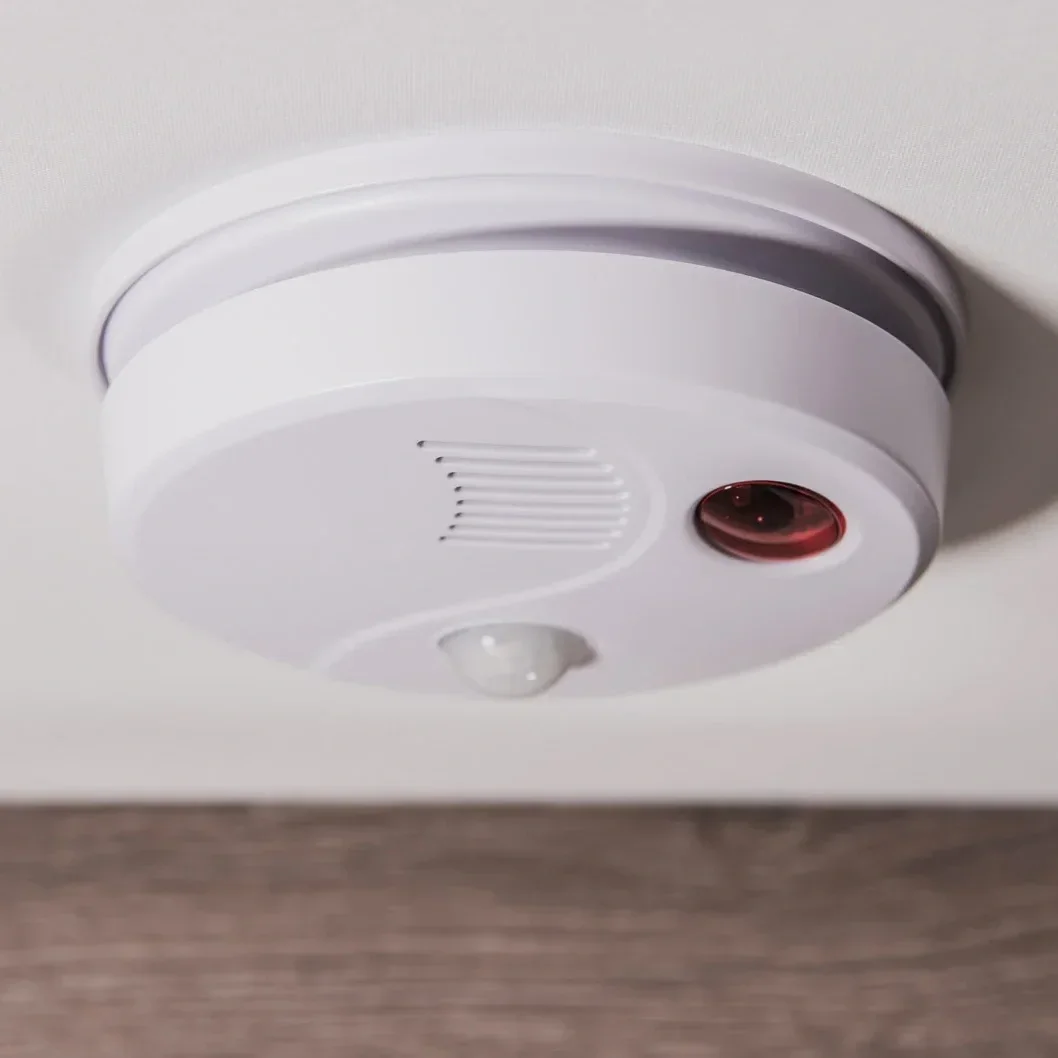
Installing the right detectors in the right places prevents tragedy and helps homes pass inspection with flying (and breathable) colors.
Carbon monoxide is the ultimate lurker. No odor. No color. No taste. Just quiet sabotage. It leaks out of fuel-burning appliances, hides in garage-connected hallways, and creeps into bedrooms while everyone sleeps soundly. By the time symptoms show up—headaches, dizziness, or nausea—it's already overstayed its welcome.
Professionals take carbon monoxide detector installation seriously because guessing games don't mix well with poison gas. Installing the right detectors in the right places prevents tragedy and helps homes pass inspection with flying (and breathable) colors.
Location Isn't Just a Suggestion
Slapping a carbon monoxide detector anywhere doesn't work. Placement determines whether it catches the gas or misses the memo. Bedrooms, hallways, and any room near a gas-burning appliance need a dedicated detector. That means one outside sleeping area and another on each level of the home, including basements, where furnaces like to loiter.
Professionals walk through the property and map out optimal detector points based on airflow, appliance proximity, and ceiling height. They avoid spots where drafts or dead zones could throw off readings. Too close to an open window? Not helpful. Buried behind a bookshelf? Not happening. Strategic placement helps detectors react fast without tripping over every whiff of toast.
Not All Detectors Speak the Same Language
Carbon monoxide detectors come in several styles—plug-ins, battery-powered, and hardwired. Some sound an alarm. Others blink quietly. The high-end models shout location names or send phone alerts. That's where things get interesting.
Professionals don't just grab a model off the shelf and call it a day. They match detectors to the household's needs. Hardwired models work well in new homes or places already set up for electrical installs. Battery-operated options are suitable for older homes or outbuildings without nearby wiring. Dual-sensor models combine CO detection with smoke monitoring, saving space and wiring.
For households with kids, pets, or seniors, voice alerts and low-frequency tones make all the difference. Professionals choose models that make sense for the layout, not just the budget.
Mounting With A Mission
Installing a carbon monoxide detector involves more than screws and drywall anchors. Professionals measure placement height—usually eye level or higher, depending on the model—and distance from fuel-burning appliances. The manufacturer's specs are followed to the letter.
Some detectors mount to the ceiling. Others do better on walls. The key is avoiding obstruction while making sure household members can hear and access the unit.
Professionals also avoid common mistakes, such as installing too close to bathrooms, ovens, or humidifiers. Moisture, steam, and ambient heat mess with sensor calibration. A unit that chirps every time someone boils pasta won't last long in a happy home.
Wiring Woes and Code Upgrades
Hardwired carbon monoxide detectors need more than just a spot to live—they require proper electrical support. Professionals check breaker panels, circuit loads, and junction box availability before installation. If existing wiring needs an upgrade, they handle it safely and efficiently.
They also confirm whether the detector should tie into the home's interconnected alarm system. In newer homes, interconnected detectors talk to each other. When one senses danger, they all sound off. That's not a DIY project. That's a professional's arena.
Local building codes and state regulations often dictate where detectors must be placed. Professionals know those rules and adjust accordingly. One home might need six detectors to pass inspection. Another may need to be rewired to meet code. Every installation follows the book, not guesswork.
Batteries Aren't Forever
Many homeowners forget that even plug-in or hardwired carbon monoxide detectors need backup batteries. When those run low, the dreaded chirp begins. Unfortunately, not every unit makes its battery location or type obvious.
Professionals install detectors with sealed lithium-ion batteries when possible. These power the unit for ten years without requiring replacement. No annual swap. No middle-of-the-night beeping. Just reliable, quiet coverage.
For replaceable-battery models, electricians make battery access user-friendly and label the installation date right on the unit. That way, no one has to crawl through guesswork or search for obscure hatch doors.
Testing Isn't Optional
Once installed, every carbon monoxide detector needs to prove it can speak up when it matters. Professionals run system tests using the built-in test button and validate alarm strength in multiple rooms. For interconnected systems, they test communication between all units.
Some detectors include display screens showing peak levels or current readings. Others use blinking lights or tones. Professionals walk clients through each alert style so no one's confused when the real alarm sounds.
They also leave written test instructions for future checks. Nobody should have to scroll through tiny manuals just to understand what one beep means versus four beeps.
Replacing The Retired and Recalled
Carbon monoxide detectors don't last forever. Most retire after five to ten years, depending on the model. Once the sensor ages, it becomes less reliable—and may even go silent during a leak.
Professionals check the manufacturing dates on all existing units and remove any units that have expired. They also stay informed about product recalls. If a detector brand experiences a defect or sensor failure issue, they know about it and offer safer alternatives.
Replacements often include newer technology, such as faster detection, smartphone integration, or improved sound clarity. Upgrading makes sense when safety's on the line.
Some Homes Need A Few Extras
Standard homes need basic coverage. But some properties deserve extra attention. Vacation homes with infrequent occupancy, detached garages, or homes with generators benefit from additional carbon monoxide monitoring.
Professionals suggest standalone units for garages or outdoor sheds that house gas-powered tools or vehicles. If the home has a whole-house generator, they install detectors nearby to detect exhaust leaks. Larger homes or properties with high ceilings may require units with louder alarms or strobe lights.
Every home has quirks. Professionals tailor installs to cover those oddities, not ignore them.
Not Every Beep Means Trouble
Carbon monoxide detectors sometimes chirp or blink for reasons unrelated to danger. Low battery? End-of-life warning? Dust in the sensor? Each of those issues sounds different—if you know what to listen for.
Professionals explain each alarm style before leaving the job. One beep every 30 seconds might signal a battery issue. Four quick beeps followed by silence? That's the emergency call.
They also clean the units during installation, removing drywall dust and debris that could trigger false alerts. Clean installs reduce panic calls later.
Peace Of Mind Runs On Power
A carbon monoxide detector isn't the kind of tech anyone wants to use—but it has to work when needed. Professional carbon monoxide detector installation means fewer false alarms, longer detector life, and full coverage across the home.
It's not just about plugging something into an outlet. It's about thinking three steps ahead—anticipating airflow quirks, appliance behavior, and how a family actually uses the space.
Professionals test, label, position, and explain every part of the setup. No guesswork. No confusing battery doors. Just peace of mind—delivered with a power drill, a voltage tester, and a precise understanding of silent danger.
Breathe Easy, Literally
Carbon monoxide doesn't play fair. It creeps into places where detectors haven't been installed yet. It hides in the corners that no one thought to check. That's why professional installation matters.
From vented heaters to backup generators, plenty of home appliances pose a potential CO threat. A carbon monoxide detector, properly placed and professionally tested, acts as a tiny, high-tech watchdog standing between fresh air and a silent emergency.
It doesn't bark. It doesn't glow red. But when it matters most, it speaks up loud and clear. That's why it pays to let professionals handle the install—no drama, no guesswork, and no chirps at two a.m. unless something's really wrong.
Apollo Electric boasts a team of licensed, professional, and reliable electricians offering residential services, commercial electrical services, whole home and remodel wiring, and electrical panel installation and upgrades in the Phoenix area. As a second-generation electrician, we bring years of experience and expertise to every job. Call today for more information.